

-
Fat in Roti Prata?
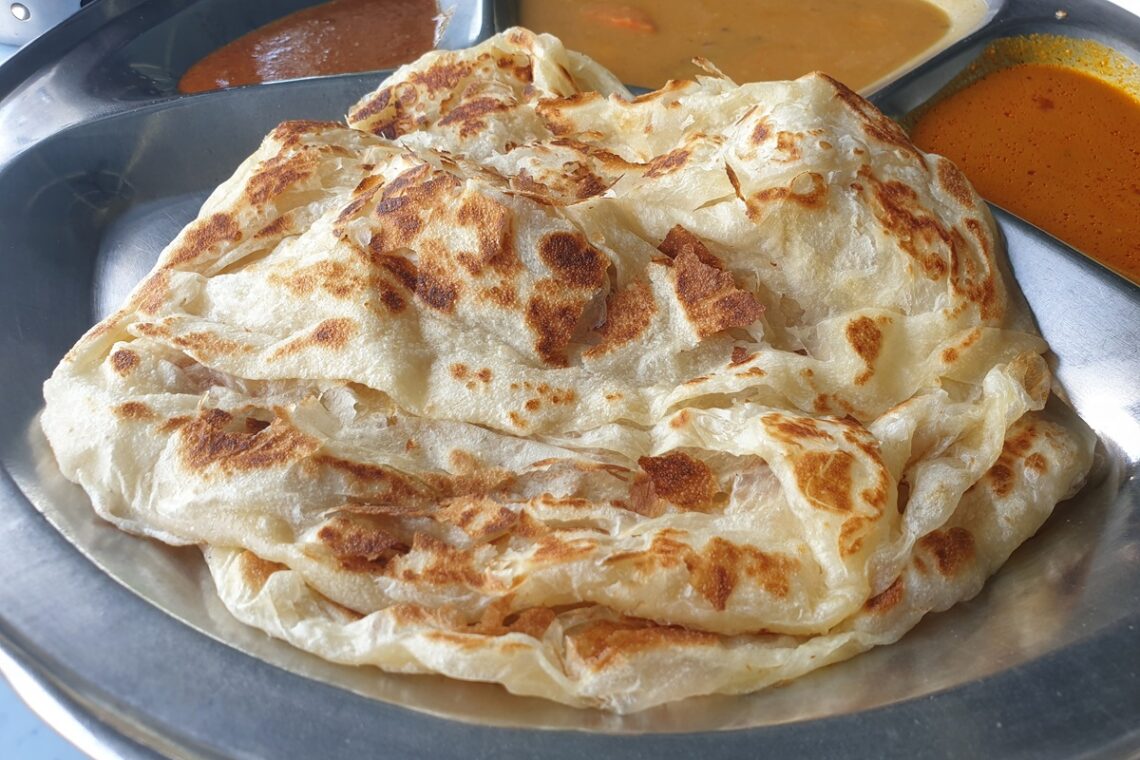
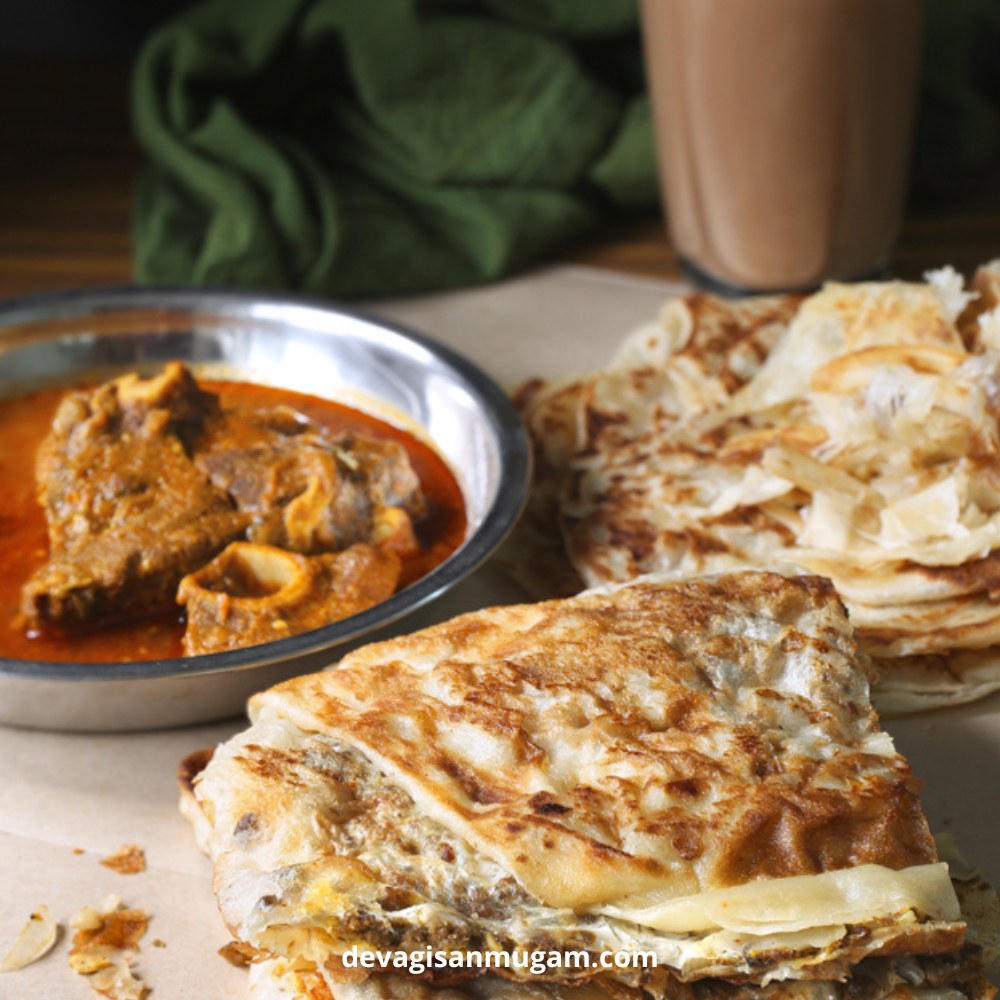
Continuing my post on Roti Prata, making this beloved dish without any fat is quite challenging! Many of us adore prata but hesitate to indulge due to concerns about the fat used, often topped off with more splashes of fat on the griddle. In the 1960s and 1970s, I witnessed roti prata shops using large cans of Vanaspati ghee. What is Vanaspati ghee, you ask? It’s a hydrogenated vegetable oil commonly used in baking and pastry making. It contributes a lighter, flakier texture to pastries, offering a desirable mouthfeel. Additionally, it boasts a longer shelf life compared to traditional butter, making it favorable for baked goods that need extended storage,…
-
Why Roti Prata Dough is Sweet?
The addition of sugar or sweetened condensed milk introduces a subtle sweetness to the roti prata. This enhances the overall flavor, balancing the savory elements that often accompany the dish. Sugar can promote browning and caramelization during cooking, leading to a more visually appealing and flavorful crust. But then today’s roti pratas are far more sweeter than the ones sold in the 1970s! The addition of sweetened condensed milk adds a slight creaminess to the dough, impacting the final texture and offering a richer mouthfeel.
-
The Roti Prata
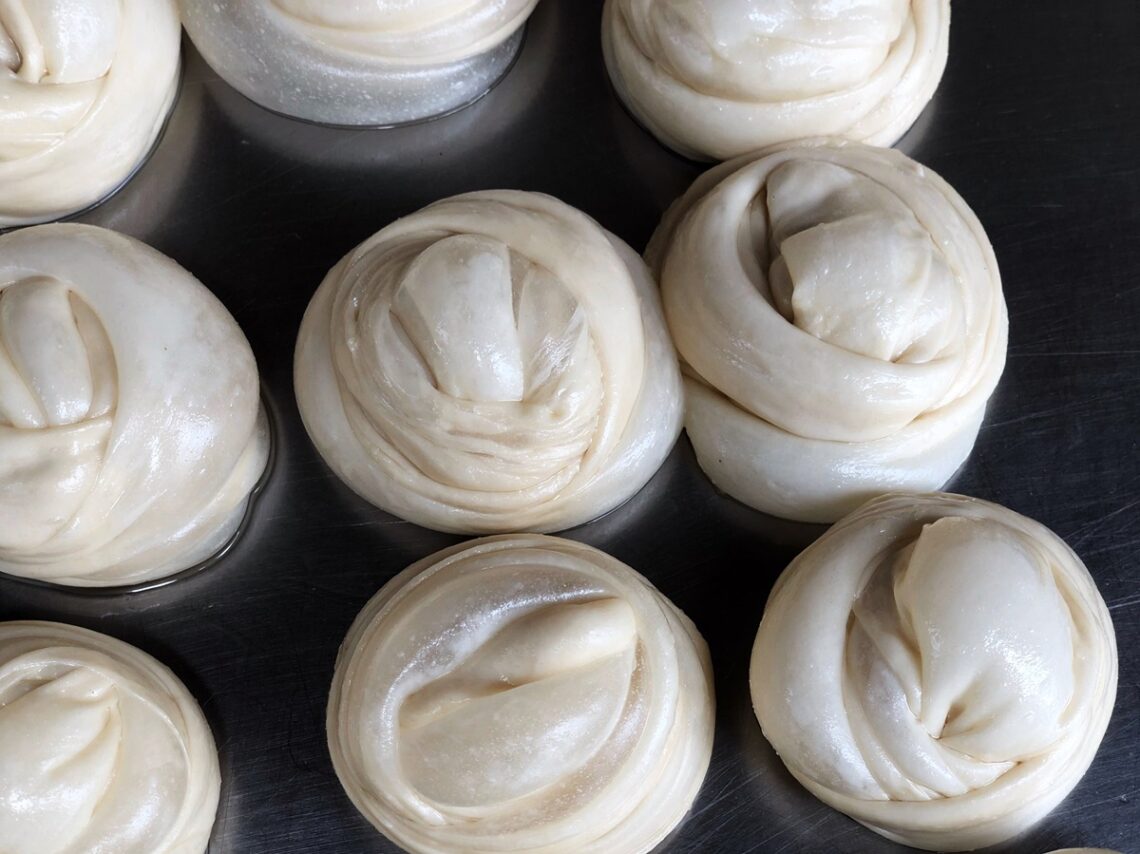
Variations in the dough for roti prata now include the addition of ingredients such as eggs, sugar, sweetened condensed milk, custard powder, or margarine, giving the flat, layered bread a unique taste and texture that reflects local preferences. The inclusion of these ingredients has made the dough richer and more appealing to a broader audience.
-
Flavorful Pickling Secrets
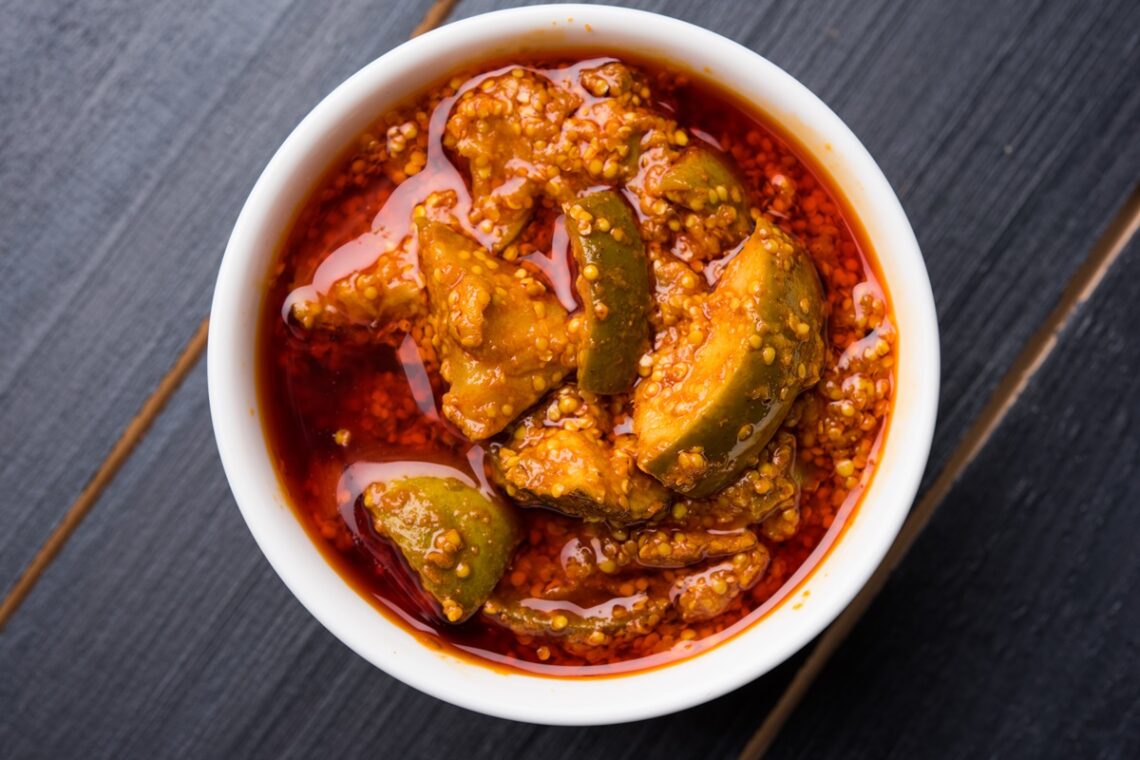
Oil adds richness and a smoother mouthfeel to pickles, enhancing the eating experience and balancing the tanginess from vinegar or citrus. It also ensures even distribution of spices, allowing every bite to carry consistent flavor rather than isolated pockets of spice.
-
Preserve and Flavor with Salt
Salt draws out moisture through a process called osmosis. When you add salt to vegetables, it creates a difference in concentration between the salt inside the vegetable and the salty outside. Inside the vegetable, there's more water than outside. So, water moves out from the vegetable to balance things out, which means the vegetables lose moisture.
-
Salted Fish – Time honored delicacy
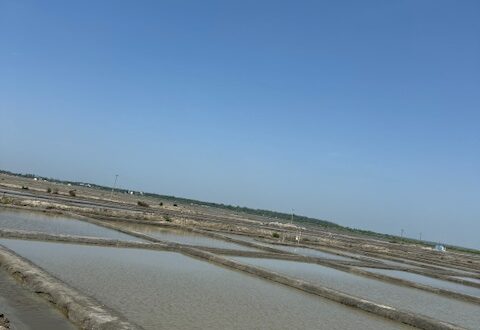
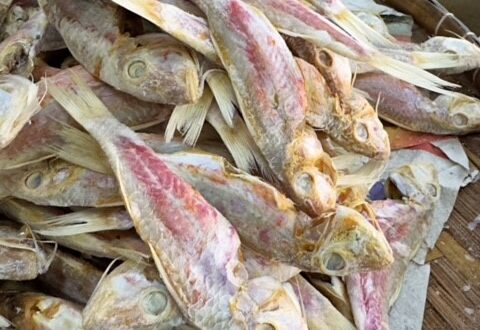
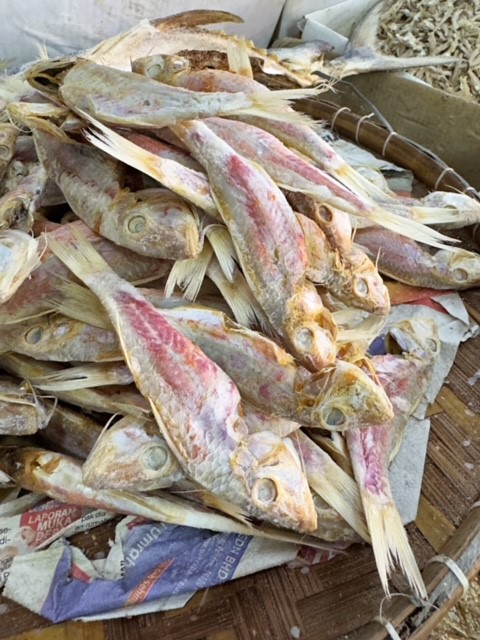
Heavy rains can disrupt drying, causing spoilage. Fishermen often overcome this challenge by using tarps or shelters to protect the fish from rain, ensuring the drying process continues smoothly. This resilience helps maintain the cultural heritage and economic importance of salted fish in any cuisine. Insufficient drying can lead to moisture retention, creating an environment conducive to the growth of bacteria and mold, which can spoil the fish quickly.
-
Black Velvet Tamarind
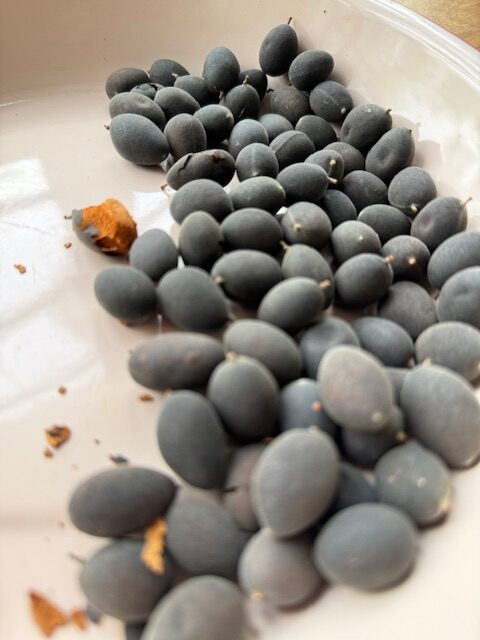
Beneath this intriguing exterior lies the fruit, which captivates with its rich brownish-orange color and a delightfully fuzzy texture, perfectly embodying its name. The flavor profile of velvet tamarind is an exciting mix of acidic, tart, and an enticing sour-sweet taste that tingles the taste buds. During my school days, velvet tamarind was a beloved treat sold in the canteen, greatly cherished by my schoolmates. We would playfully stick out our tongues to show the vivid orange hue left behind after indulging in this fruit.
-
Asyura Porridge
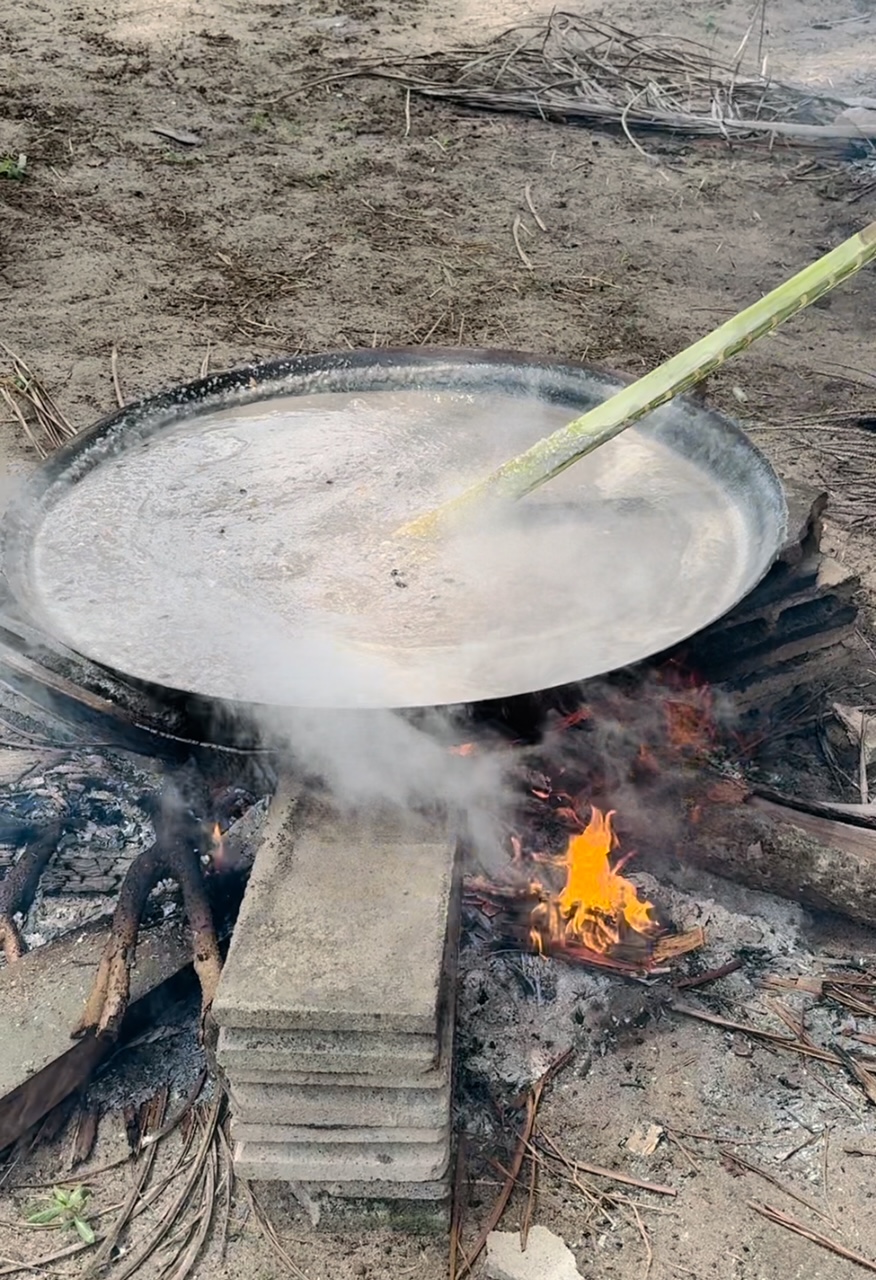
The act of cooking and serving food in the mosque not only provides nourishment for the worshippers but also fosters a sense of unity and camaraderie among the community members. It is a way for people to come together, share their talents, and contribute to the well-being of others, creating a warm and welcoming atmosphere in the mosque.
You May Also Like

Small But Hot!

Best Rice Grains for Perfect Tamil Meals
Indonesian Long Red Chilli
-
Enchanting Cardamoms
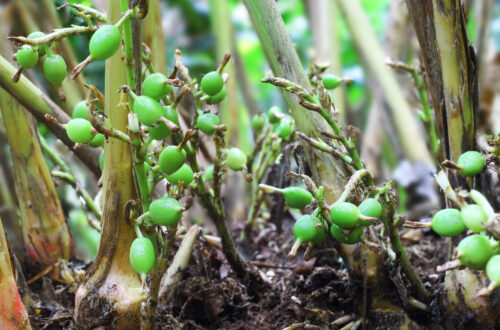
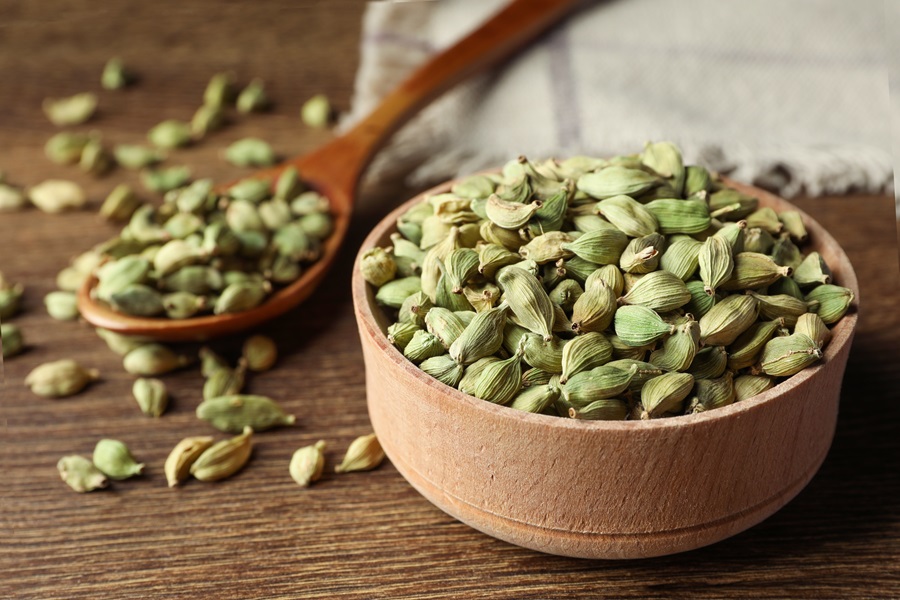
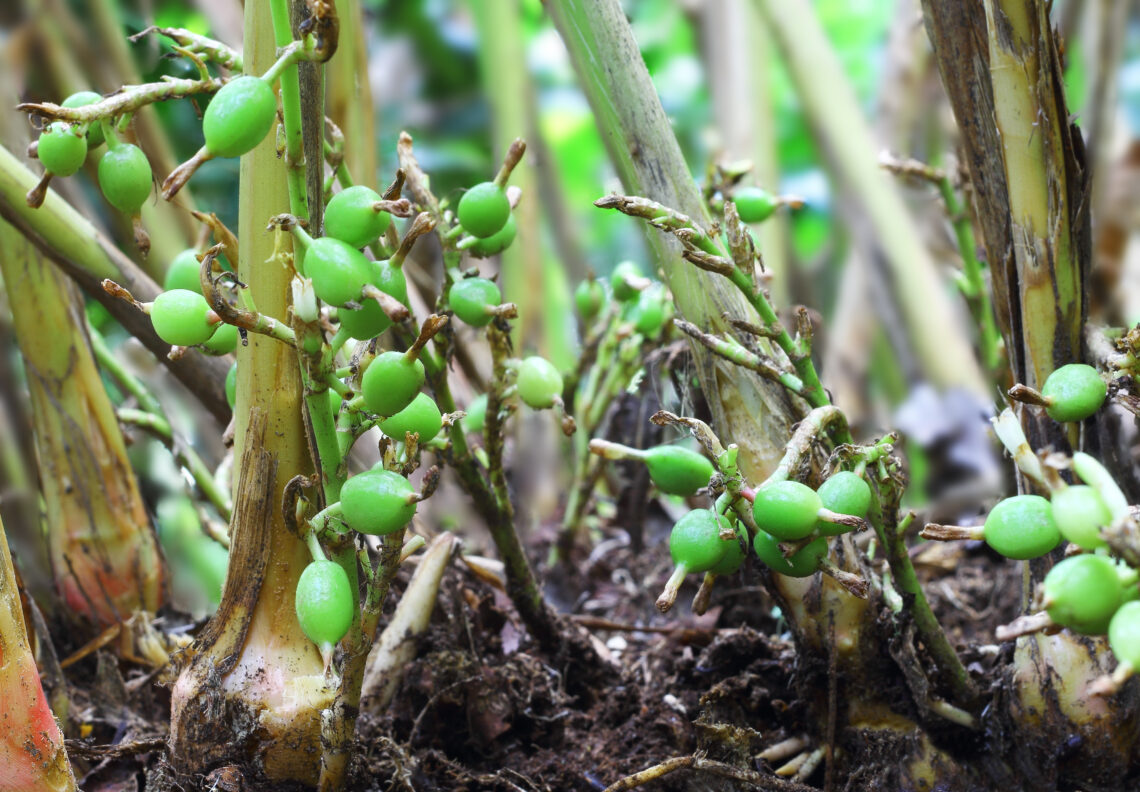
When crushed or ground, the seeds release a powerful burst of aromatic compounds that elevate the overall taste of dishes, making green cardamom stand out amongst spices. Its versatility in adding a unique and complex flavor to both sweet and savory dishes.
-
Global Spice – Cardamoms
While India serves as the primary birthplace of cardamom, it journeyed to countries like Guatemala, Sri Lanka, and Tanzania due to trade and cultivation practices. This aromatic spice’s reach extended even to Indonesia, where the “Java cardamom” variety exists. Although distinct from green cardamom, Java cardamom maintains a mild sweetness with floral and citrus notes, enriching Indonesian cuisine.