-
Best Rice Grains for Perfect Tamil Meals
High amylose rice has a lot of amylose, a type of starch. Because of its structure, this rice tends to be drier, fluffier, and less sticky when cooked. It keeps its shape well, which is good for dishes like biryani or pilaus, where separate grains are needed.
-
Benefits of Frying Paneer
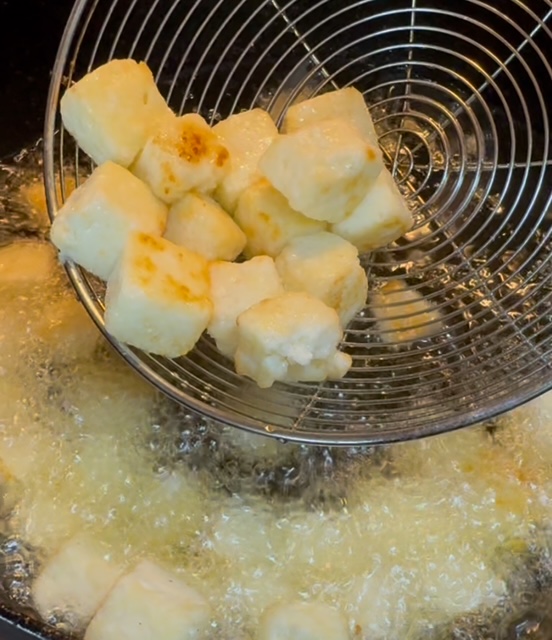
Frying paneer helps to create a slightly crispy outer layer, which can enhance its texture. When you soak it afterward, the paneer retains some of that crispiness while also becoming softer, making it more enjoyable to eat.
-
Unveiling Singapore Indian Cuisine
I can confidently say that Singapore Indian cuisine is a vibrant blend of traditional Indian dishes from various ethnic groups, including Tamils, Punjabis, and Malayalees, harmoniously combined with local flavors and ingredients from Chinese and Malay culinary traditions. This unique fusion beautifully reflects the multicultural essence and culinary diversity of Singapore.
-
Key To Flavorful Biryani – MEAT!
When preparing a delicious biryani, the quality of the meat is crucial, as it significantly influences the dish's flavor and texture. Always opt for fresh meat, as freshness ensures the best flavor, tenderness, and overall texture. Look for meat with a bright color and no unpleasant odor. Purchase from reputable sources to guarantee quality and proper handling; organic or free-range options often provide better flavor and texture. A moderate fat content can enhance the meat's flavor and moisture, with well-marbled pieces (small flecks of fat) being more flavorful.
-
Rice for Biryani
Basmati rice is renowned for its unique, fragrant aroma that enriches the biryani experience. When cooked, its grains elongate significantly—up to 2-3 times their original length—maintaining individual shapes and resulting in a fluffy texture. This prevents clumping, making it ideal for layering with meat and spices. Basmati's subtly sweet, slightly nutty flavor complements spiced meat, and its distinct floral aroma enhances the dish's fragrance.
-
Basic Biryani Types
This dish involves layering marinated cooked meat with partially cooked rice in a sealed pot. Each grain remains separate and fluffy, infused with rich aromatic flavors from the spices. Biryani usually contains more spices, including saffron, and has a complex flavor profile. Made using the draining method, it is often garnished with fried onions, boiled eggs, nuts, dried fruits, and fresh herbs, served as a meal on its own, typically with chutney or raita.
-
How to Make the Oily Noodles Less Oily?
To eliminate the oil and strong odor from the noodles, rinse them quickly under cold water to remove excess oil and lingering smells. If they are particularly oily, soak them in hot water for 1-2 minutes, drain, and rinse with cold water. This softens the noodles without making them mushy. After washing or soaking, drain and use the noodles immediately; letting them sit too long can lead to excess moisture and sogginess.
-
Why I Hand-Beat the Thosai Batter?
Hand beating introduces air into the batter, which helps activate the natural yeast present in the ingredients and this is crucial for fermentation as it promotes the growth of beneficial bacteria and yeast, leading to better rise and texture. Hand mixing is gentler than using electric whisk as it allows for precise control over how much gluten is developed. In thosai batter, the right amount of gluten contributes to a softer texture, which is key for achieving the perfect crispy yet fluffy thosai.
-
The Art of Bashing Turkey Berries
n Indian cuisine, turkey berries are often bashed before cooking to soften their texture and enhance flavor, as raw berries tend to be tough and bitter. The small seeds are frequently discarded due to their gritty texture and slight bitterness, and some people avoid them because of concerns regarding their digestibility or potential toxicity in larger amounts. Rinsing the berries removes dirt, and bashing them in small batches ensures even crushing. Placing the bashed berries in water prevents oxidation and allows for easier separation of the seeds, keeping the berries fresh and the preparation process efficient.
-
FOOD COLORING WITH CARE
𝐇𝐨𝐰𝐞𝐯𝐞𝐫, 𝐭𝐡𝐞 𝐩𝐫𝐢𝐦𝐚𝐫𝐲 𝐝𝐢𝐬𝐚𝐝𝐯𝐚𝐧𝐭𝐚𝐠𝐞 𝐨𝐟 𝐚𝐫𝐭𝐢𝐟𝐢𝐜𝐢𝐚𝐥 𝐜𝐨𝐥𝐨𝐫𝐢𝐧𝐠𝐬 𝐢𝐬 𝐭𝐡𝐞 𝐫𝐢𝐬𝐤 𝐨𝐟 𝐚𝐥𝐥𝐞𝐫𝐠𝐢𝐜 𝐫𝐞𝐚𝐜𝐭𝐢𝐨𝐧𝐬 𝐚𝐧𝐝 𝐬𝐞𝐧𝐬𝐢𝐭𝐢𝐯𝐢𝐭𝐢𝐞𝐬, 𝐰𝐡𝐢𝐜𝐡 𝐜𝐚𝐧 𝐥𝐞𝐚𝐝 𝐭𝐨 𝐦𝐢𝐥𝐝 𝐢𝐫𝐫𝐢𝐭𝐚𝐭𝐢𝐨𝐧𝐬 𝐨𝐫 𝐬𝐞𝐯𝐞𝐫𝐞 𝐡𝐞𝐚𝐥𝐭𝐡 𝐜𝐨𝐦𝐩𝐥𝐢𝐜𝐚𝐭𝐢𝐨𝐧𝐬. 𝐒𝐨𝐦𝐞 𝐚𝐫𝐭𝐢𝐟𝐢𝐜𝐢𝐚𝐥 𝐜𝐨𝐥𝐨𝐫𝐬 𝐡𝐚𝐯𝐞 𝐞𝐯𝐞𝐧 𝐛𝐞𝐞𝐧 𝐚𝐬𝐬𝐨𝐜𝐢𝐚𝐭𝐞𝐝 𝐰𝐢𝐭𝐡 𝐡𝐲𝐩𝐞𝐫𝐚𝐜𝐭𝐢𝐯𝐢𝐭𝐲 𝐢𝐧 𝐜𝐡𝐢𝐥𝐝𝐫𝐞𝐧 𝐚𝐧𝐝 𝐩𝐨𝐭𝐞𝐧𝐭𝐢𝐚𝐥𝐥𝐲 𝐡𝐚𝐫𝐦𝐟𝐮𝐥 𝐥𝐨𝐧𝐠-𝐭𝐞𝐫𝐦 𝐡𝐞𝐚𝐥𝐭𝐡 𝐞𝐟𝐟𝐞𝐜𝐭𝐬.