• Culinary Services
    • Classes and Workshops
    • Recipe development and Recipe Testing
    • Product Demonstrations
    • Wellness Meal Planning Services
    • Restaurant Consultation
Devagi Sanmugam Devagi Sanmugam

Devagi Sanmugam
  • Founder
    • Cookbooks
  • Majjā Feasts
  • Founder
    • Cookbooks
  • Majjā Feasts
  • Culinary Services
    • Classes and Workshops
    • Recipe development and Recipe Testing
    • Product Demonstrations
    • Wellness Meal Planning Services
    • Restaurant Consultation
  • Culinary Education,  Local Eateries,  Personal Views

    Restroom Reflections

    If restrooms are dirty, it raises concerns about the kitchen’s cleanliness. A clean restroom shows that management and staff care about hygiene throughout the restaurant. Health regulations require cleanliness, and failing to keep restrooms clean can hurt a restaurant’s reputation and operations.

    Read More

    You May Also Like

    What is Chatti Soru For Me?

    July 3, 2024

    The Downsides of Online Food Ordering

    October 6, 2023

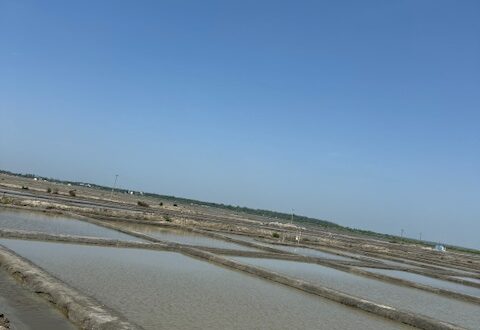
    Salt Mines

    June 29, 2024
  • Culinary Education,  Personal Views

    The Symbolism and Significance of Flowers in Water

    Choosing specific flowers can reflect the homeowner's personality or ethnic background, adding a personal touch to the welcome. This can foster deeper connections with guests, as the choice of flowers may spark conversations about traditions or memories.

    Read More

    You May Also Like

    Salt Mines

    June 29, 2024

    Malabar Spinach Blossoms

    December 27, 2024

    Ramnad Mundu Chilli

    December 17, 2023
  • Asia and Pacific,  Culinary Education,  Ingredients,  Malaysia

    The Refreshing Fruit Experience

    Jambu can be eaten raw, making it a perfect snack. It is often enjoyed fresh, sliced, or whole. It can be added to fruit salads eg. Fruit Rojak, blended into smoothies, or used in desserts. In some cultures, it is also pickled or cooked in savory dishes. Whether eaten alone or incorporated into recipes, Jambu offers a delightful burst of flavor and hydration.

    Read More

    You May Also Like

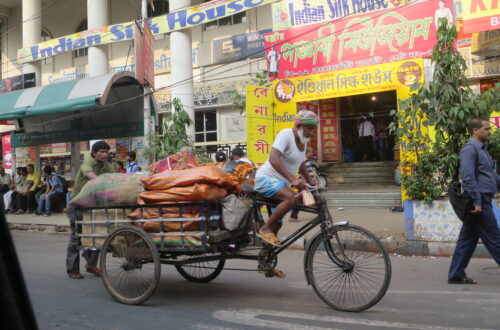
    College Street – Mecca for Book Lovers

    December 27, 2015

    The Market Place

    June 21, 2014

    Temple Visit

    February 6, 2013
  • Asia and Pacific,  Culinary Education,  Ingredients,  Japan,  Okinawa

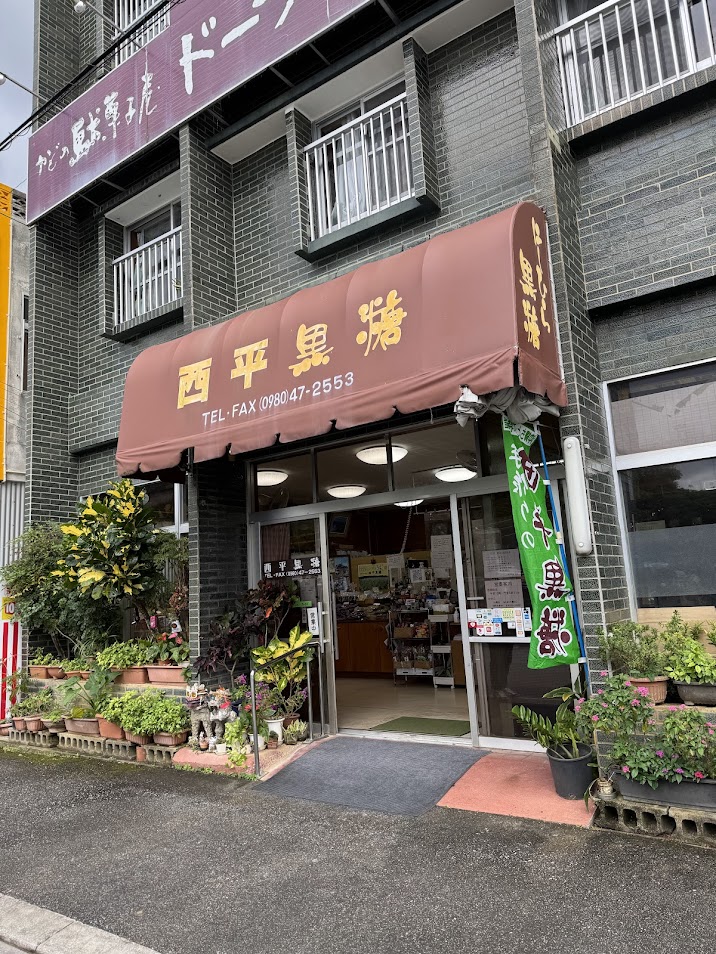
    Appreciating Okinawan Turmeric

    Both types of turmeric contain curcumin, the active compound known for its health benefits, but their concentrations may vary. Autumn turmeric is often valued for its higher curcumin content, while spring turmeric may have a different balance of other beneficial compounds.

    Read More

    You May Also Like

    The Killing Fields

    June 12, 2013

    The Refreshing Fruit Experience

    January 22, 2025

    Meat Feast at Karnivore Kitchen

    November 9, 2022
  • Culinary Education,  Ingredients

    Malabar Spinach Blossoms

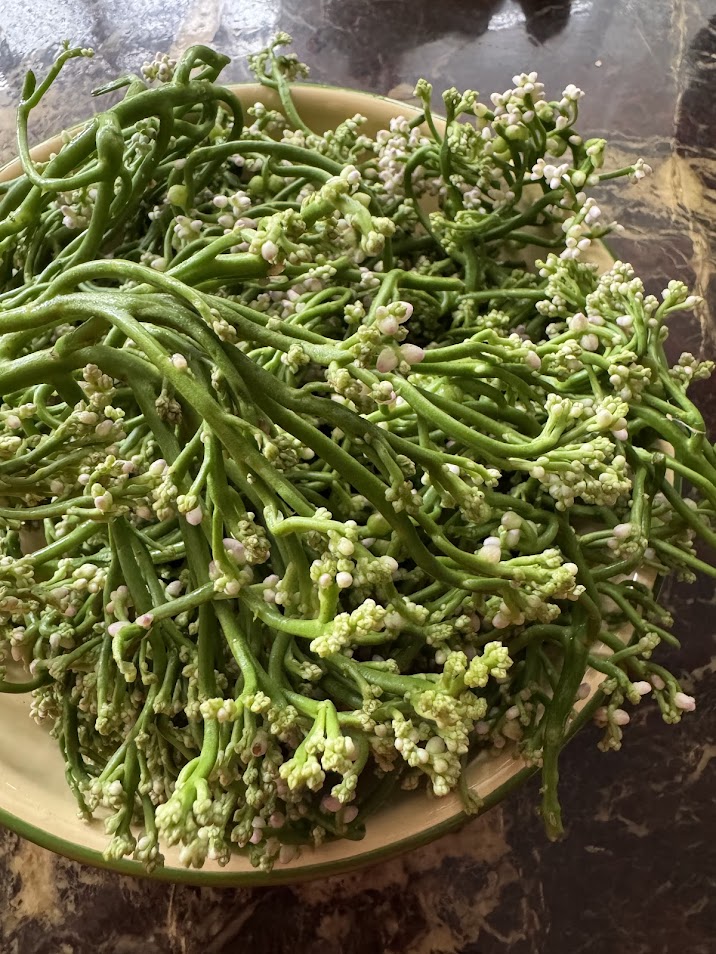
    The Malabar spinach blossom is a small, delicate flower that appears in clusters, typically ranging from white to light purple. Each flower features five petal-like sepals, creating a lovely visual contrast against the lush green foliage. The blossoms possess a mild, slightly earthy flavor that adds subtle freshness to dishes, making them ideal for garnishing or incorporating into recipes.

    Read More

    You May Also Like

    CHEFS WEARING JEWELLERY WHILE COOKING OR PREPARING FOOD!

    November 2, 2023

    Small But Hot!

    November 20, 2023

    Preserve and Flavor with Salt

    July 31, 2024
  • Asia and Pacific,  Culinary Education,  Ingredients,  Japan,  Okinawa

    Kokuto – Okinawan Brown Sugar

    Okinawan brown sugar offers several health benefits, including preventing tooth decay and reducing cholesterol. Kuromitsu, a refined syrup made from kokuto, serves as a key ingredient in many Japanese desserts like kuzumochi and anmitsu, enhancing their flavors with its milder taste.

    Read More

    You May Also Like

    Dawn at Royapuram Fishing Harbour

    June 23, 2016

    The Old Market in Siem Reap

    June 12, 2012

    Can’t Forget Goya Spam Onigirazu!

    December 17, 2024
  • Culinary Education,  Personal Views

    Many Don’t Cook at Home. Why?

    Some younger individuals may not have had the opportunity to learn cooking skills from family members or through formal education, leading to a lack of confidence in the kitchen.

    Read More

    You May Also Like

    What is Chatti Soru For Me?

    July 3, 2024

    Appreciating Okinawan Turmeric

    December 28, 2024

    Why I like Cooking

    October 3, 2023
  • Culinary Education

    Fat in Roti Prata?

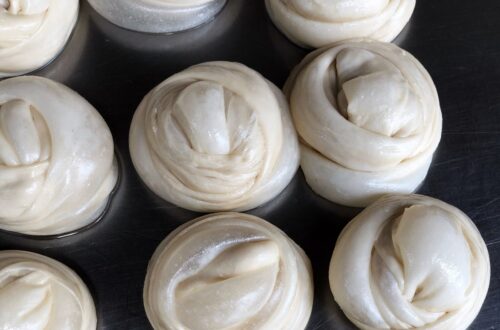
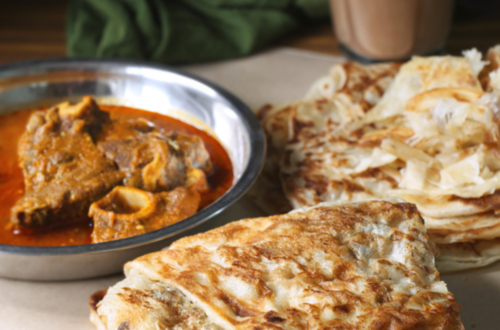
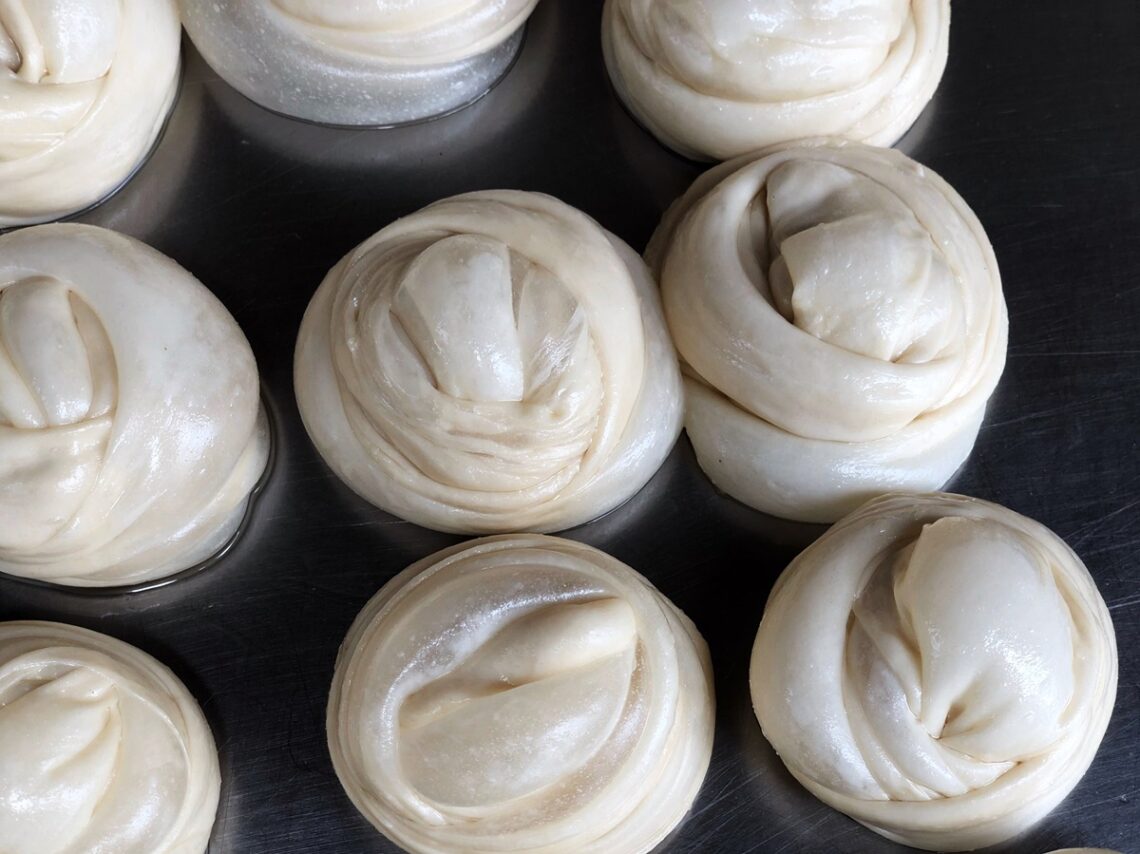
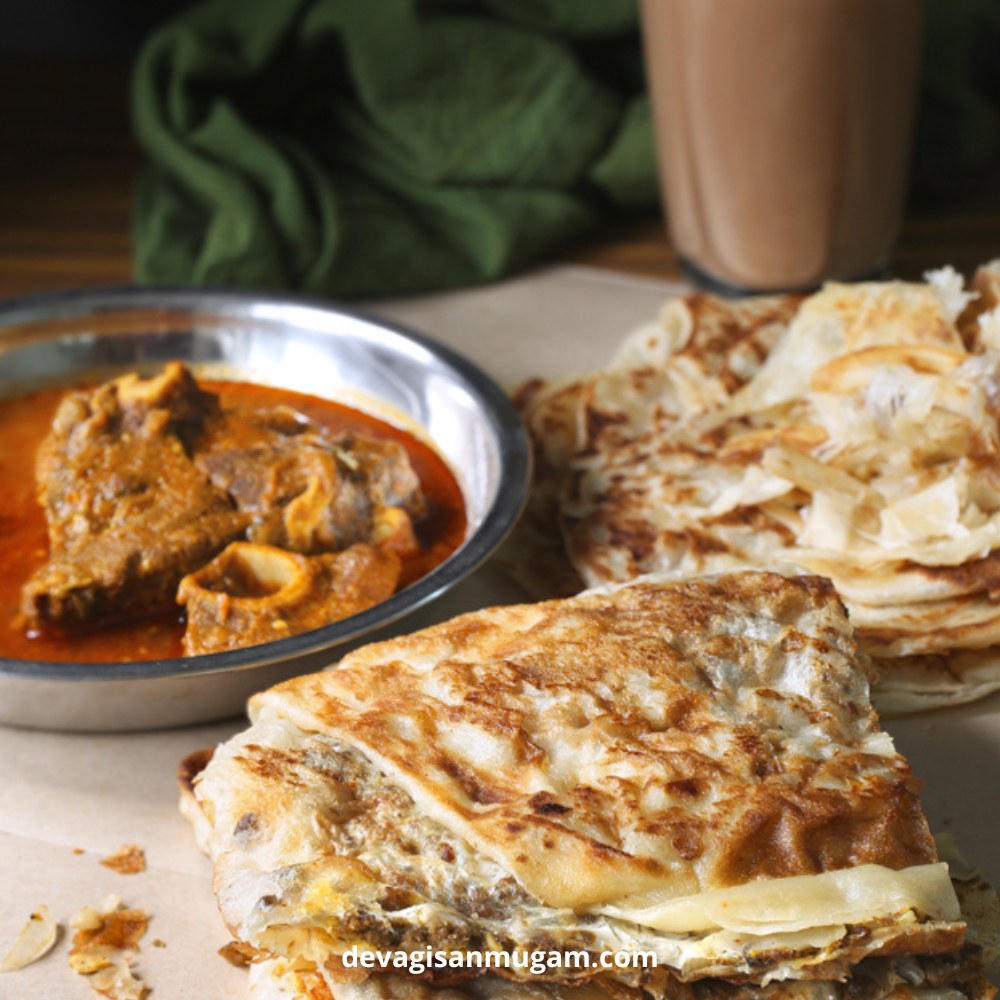
    Continuing my post on Roti Prata, making this beloved dish without any fat is quite challenging! Many of us adore prata but hesitate to indulge due to concerns about the fat used, often topped off with more splashes of fat on the griddle. In the 1960s and 1970s, I witnessed roti prata shops using large cans of Vanaspati ghee. What is Vanaspati ghee, you ask? It’s a hydrogenated vegetable oil commonly used in baking and pastry making. It contributes a lighter, flakier texture to pastries, offering a desirable mouthfeel. Additionally, it boasts a longer shelf life compared to traditional butter, making it favorable for baked goods that need extended storage,…

    Read More

    You May Also Like

    Key To Flavorful Biryani – MEAT!

    March 1, 2025

    Homemade Peanut Butter

    January 26, 2023

    Jamu – the Indonesian way to Health

    June 5, 2024
  • Culinary Education

    Why Roti Prata Dough is Sweet?

    The addition of sugar or sweetened condensed milk introduces a subtle sweetness to the roti prata. This enhances the overall flavor, balancing the savory elements that often accompany the dish.  Sugar can promote browning and caramelization during cooking, leading to a more visually appealing and flavorful crust.  But then today’s roti pratas are far more sweeter than the ones sold in the 1970s!   The addition of sweetened condensed milk adds a slight creaminess to the dough, impacting the final texture and offering a richer mouthfeel.

    Read More

    You May Also Like

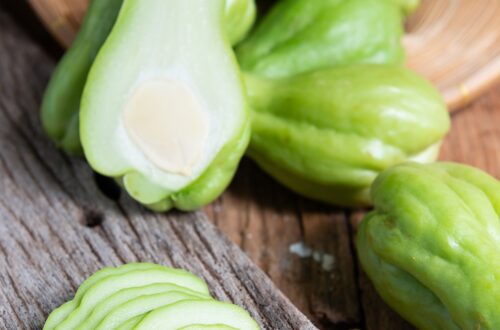
    The Versatile Chayote

    February 23, 2024

    Beating Thosai Batter By Hand

    August 31, 2023

    How to cook slime-free Lady’s Fingers?

    February 7, 2023
  • Culinary Education

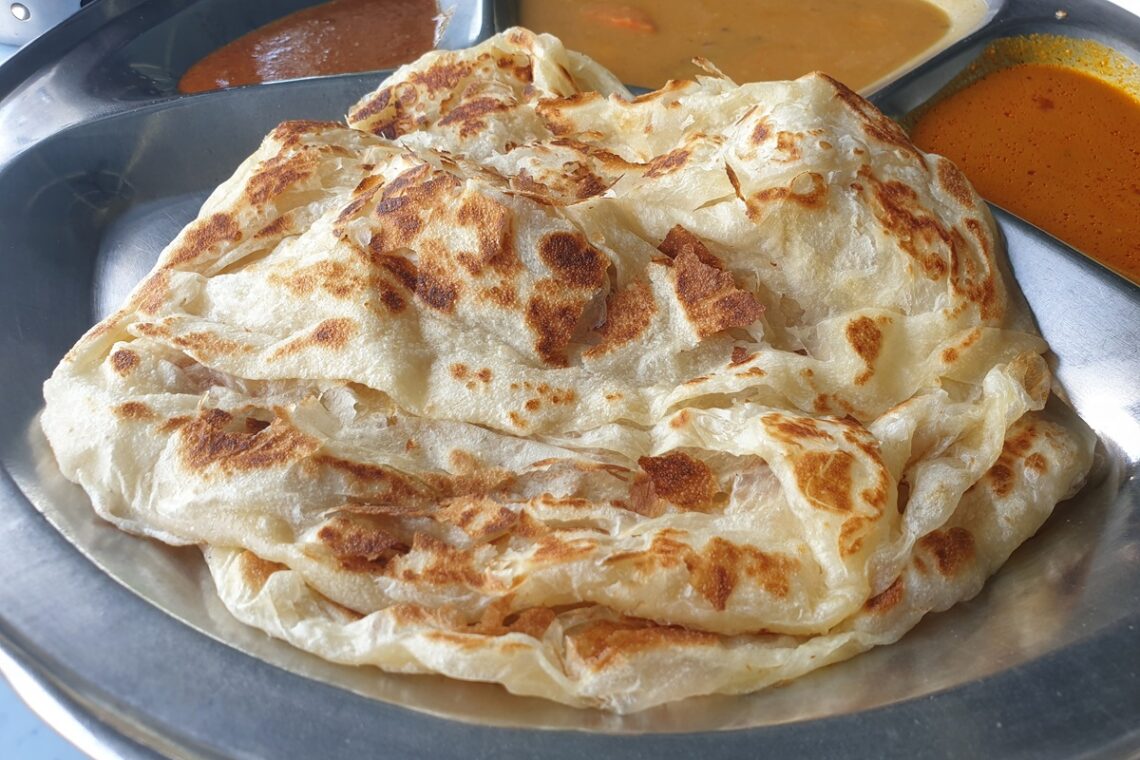
    The Roti Prata

    Variations in the dough for roti prata now include the addition of ingredients such as eggs, sugar, sweetened condensed milk, custard powder, or margarine, giving the flat, layered bread a unique taste and texture that reflects local preferences. The inclusion of these ingredients has made the dough richer and more appealing to a broader audience.

    Read More

    You May Also Like

    Flavorful Pickling Secrets

    August 4, 2024

    How to Make the Oily Noodles Less Oily?

    February 21, 2025

    Gochuguru

    November 24, 2023
1234

Devagi Sanmugam

As a chef, spice curator, and author of over 20 cookbooks, my life revolves around the exquisite world of food. I am deeply passionate about experiencing food in all its forms—I love to see, touch, smell, hear, and feel the ingredients that create culinary magic. Each spice tells a story, every herb evokes a memory, and the textures of food bring joy to my senses. Traveling is not just a pastime for me; it is an essential part of my journey as a culinary educator. Exploring diverse cuisines around the world allows me to expand my knowledge and understanding of food, enriching both my cooking and teaching. I revel in discovering new flavors and techniques that I can share with others, igniting their own passion for cooking. This blog is a heartfelt expression of my love for food—a platform where I can share my culinary adventures, insights, and recipes. Join me as we explore global cuisine, celebrating the beautiful and delicious experiences that food offers.

Devagi Sanmugam & Majjā Feasts 2026 Copyright